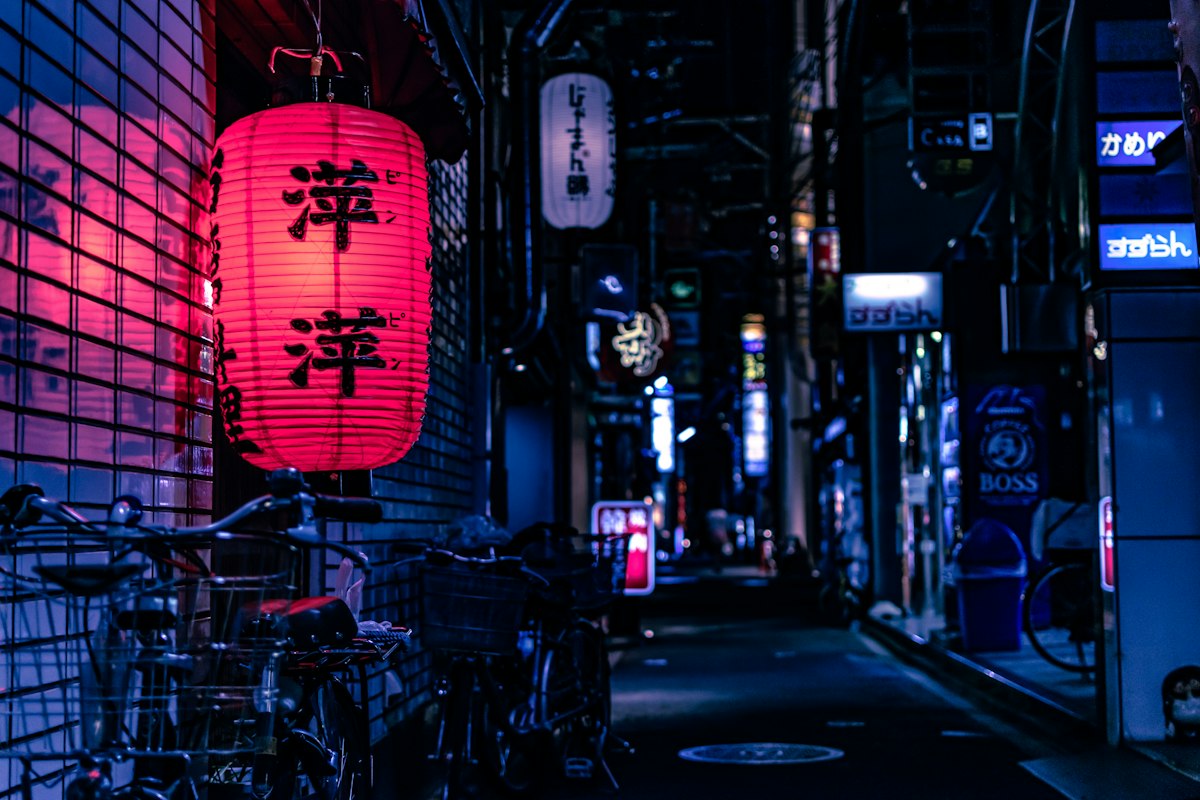
A ryokan is not simply a hotel with Japanese decoration. It is a small choreography of arrival, quiet, bathing, dressing and dining. Packing well means bringing less, not more: socks you are happy to wear indoors, layers that work with a yukata, and a willingness to let the inn's rhythm lead.
In This Guide
Before You Arrive
Read the inn's arrival instructions carefully. Some ryokans have fixed dinner times, require advance notice for dietary needs, or ask guests to remove shoes at the entrance. If you are arriving after dark, confirm the check-in window and save the address in Japanese for your driver or taxi.
What to Pack
Bring two or three pairs of clean, comfortable socks. You will move between outdoor shoes, indoor slippers, bathroom slippers and tatami, and bare feet are not appropriate on tatami. Pack breathable sleepwear for the journey, but do not assume you need a robe: the ryokan will usually provide a yukata and often a heavier haori jacket.
A small, soft bag is useful for the bathhouse. Include travel-size toiletries, a hair tie, moisturizer and any personal medication. Most ryokans provide shampoo, conditioner and body wash, but a familiar cleanser is worth bringing if your skin is sensitive. Keep valuables minimal; the best luxury of a ryokan is not carrying your whole life around.
The Yukata Culture
Your yukata is worn left side over right. The opposite direction is reserved for dressing the deceased. Tie the obi comfortably at the waist and add the haori if the evening is cool. It is generally appropriate to wear the yukata in your room, corridors, dining room and bath area, unless your inn tells you otherwise.
Bathing and Dining Etiquette
Wash thoroughly before entering a shared bath. The bath is for soaking, not cleansing; keep towels and long hair out of the water. In a private bath, follow the same principle. At dinner, arrive on time and tell the staff about allergies before the meal begins. Kaiseki is served in a sequence, so avoid rushing or rearranging dishes. It is perfectly acceptable to ask what something is.
The Final Checklist
- Clean socks and easy-to-remove shoes.
- Small bath bag and familiar skincare.
- Medication, glasses and a portable charger.
- Dietary requirements translated into Japanese.
- One elegant, comfortable layer for dinner.
Pack with respect for the space you are entering. A ryokan stay rewards attention: the sound of the garden, the temperature of the bath, the care in a seasonal dish. You do not need a suitcase full of things to enjoy it.